A Kitchen of Resistance
Grew up in a taquería in Tabasco, shaping a path to reclaim and elevate the south’s cuisine.
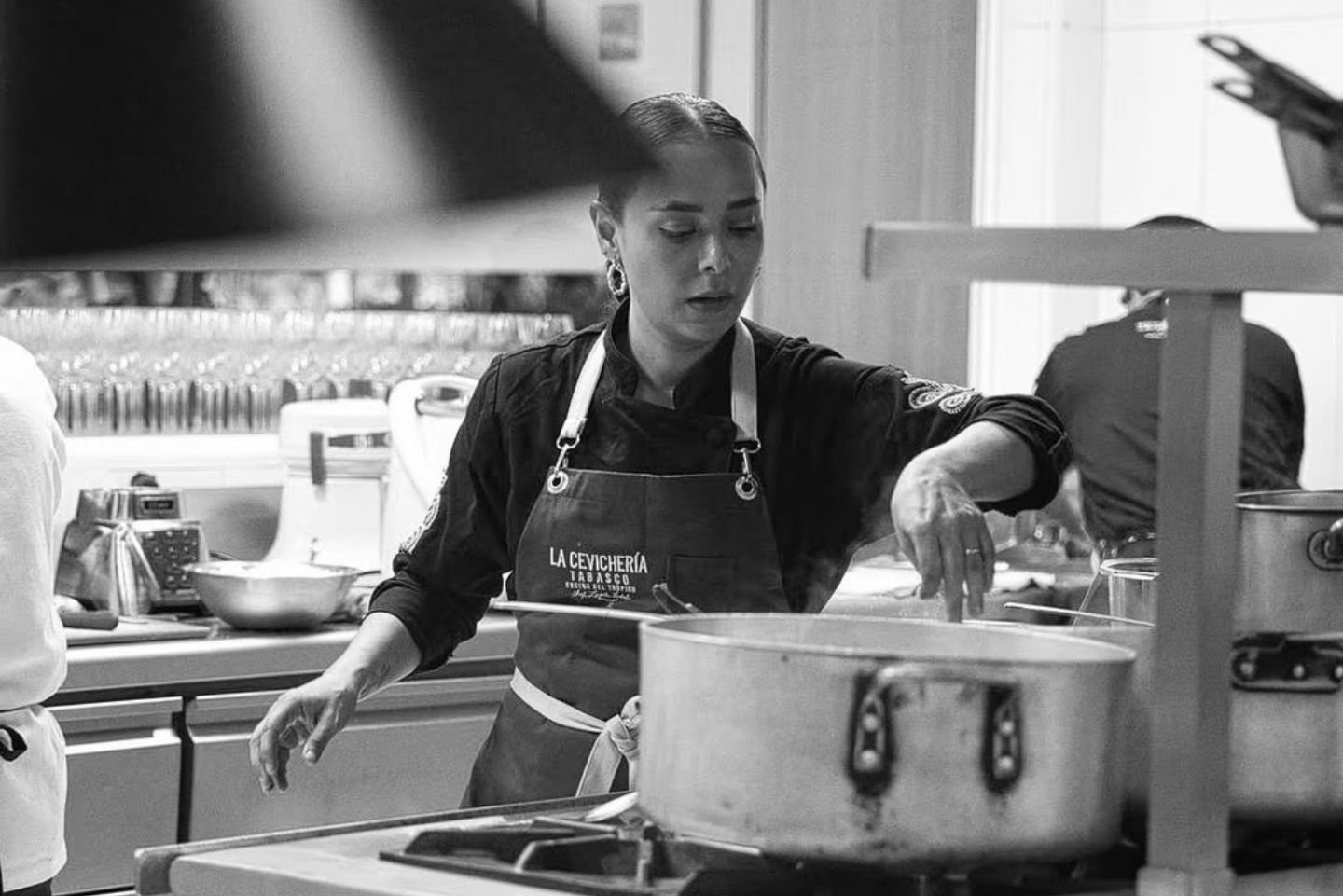
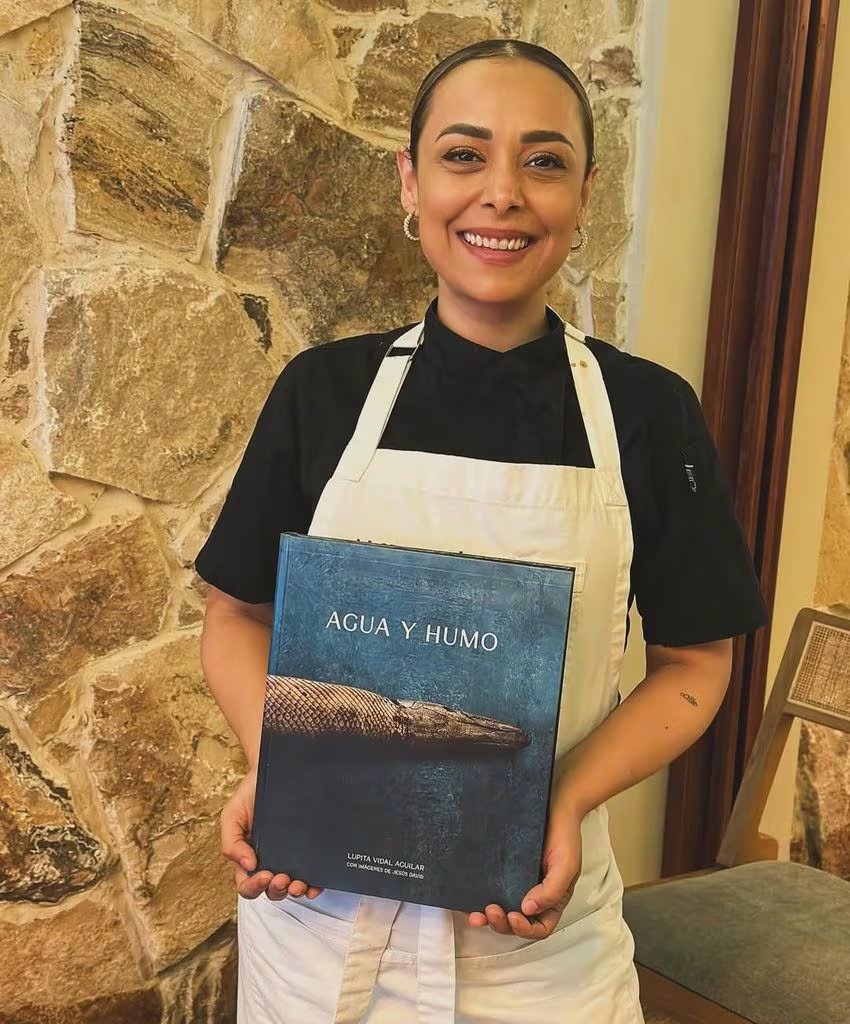
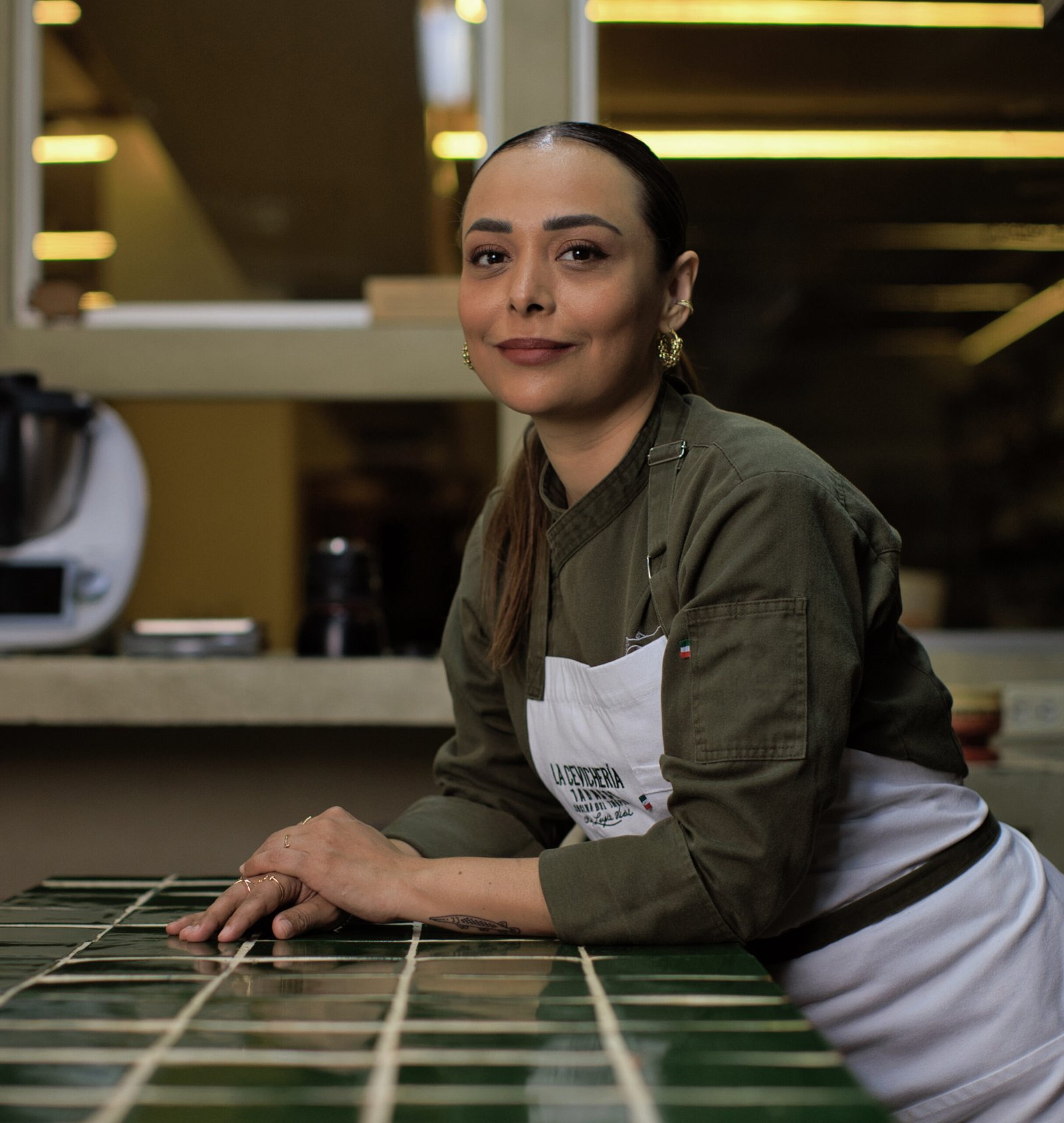
Lupita Vidal Aguilar
I didn’t become a cook because I planned to. But in many ways, I was always surrounded by it. I grew up with the sounds of kitchens, with wood stoves and pots always moving. My father is a cook. He had a taquería serving traditional stews from Tabasco, so even if I didn’t realize it at the time, I was never really separated from that world.
My interest in cooking came later, in my twenties. Before that, I thought I would dedicate myself to film. I even studied communications for a year. But life has a way of redirecting you, and little by little, I found myself coming back to what had always been there.
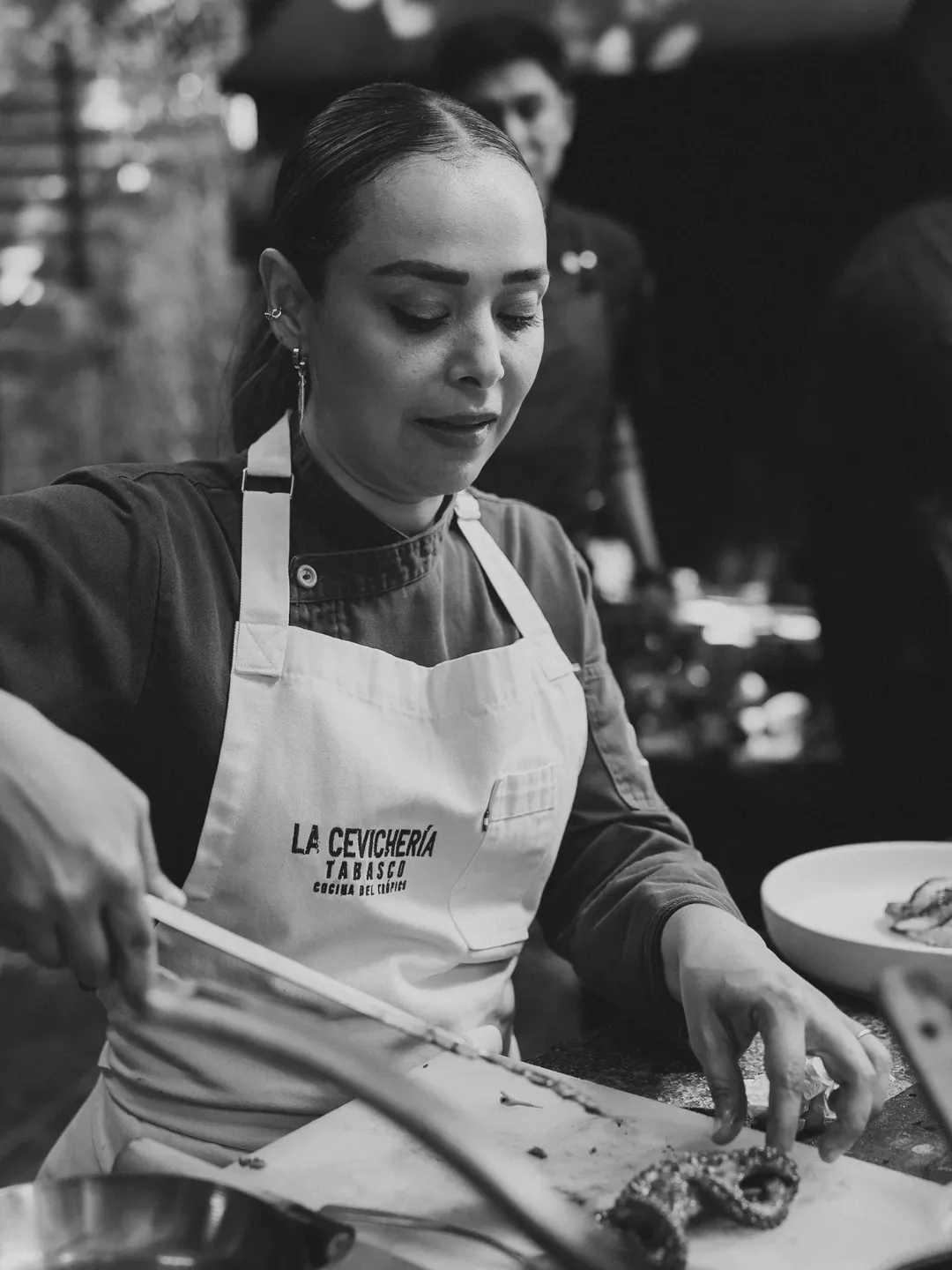
When I finally stepped into a professional kitchen, I immediately thought this was where I belonged. Not because it was easy, but because it felt like a challenge. And I needed that. I wanted to prove to myself that I could earn my place.
I did study gastronomy, but to be honest, in many parts of Mexico, especially in the south, true professional culinary education is still developing. There are gaps, and that creates challenges for the craft. For me, the real learning didn’t come from school. It came from necessity.
I was young, I didn’t have connections or financial resources, and being a woman from the south comes with its own set of barriers. So my husband and I started something of our own because we had to. There was no other path. And in the end, that small kitchen we built and my state’s culinary identity became my real teachers.
There have been moments in my life that were difficult in ways I didn’t expect. Not just professionally, but personally. I remember living away from Tabasco and feeling a deep loneliness. No one really guides you in those moments. It’s just you, your vocation, and whatever strength you can find inside yourself.
When I returned home, everything changed. I met my husband, Jesús, and we started walking this path together. He left his career as a photographer to build this with me. It hasn’t been easy. At some point, you stop being the one learning and become the one responsible for guiding others. That carries a different kind of weight.
But today, after more than a decade, we’ve become something I wish I had when I was starting: a place for people who cannot leave, who cannot travel, who still deserve to learn and grow.
What keeps me going is identity. I believe deeply in the cuisine of the south, in the cuisine of the tropics. For a long time, we were taught not to feel proud of it. And that’s exactly why I do. Because I see what it really is with all its richness, its depth, its history.
Cooking is not just cooking; it’s social, it’s agriculture, and it’s health. It’s part of how a society develops. And there is still so much that needs to be dignified, not only in kitchens but across the entire system surrounding them.
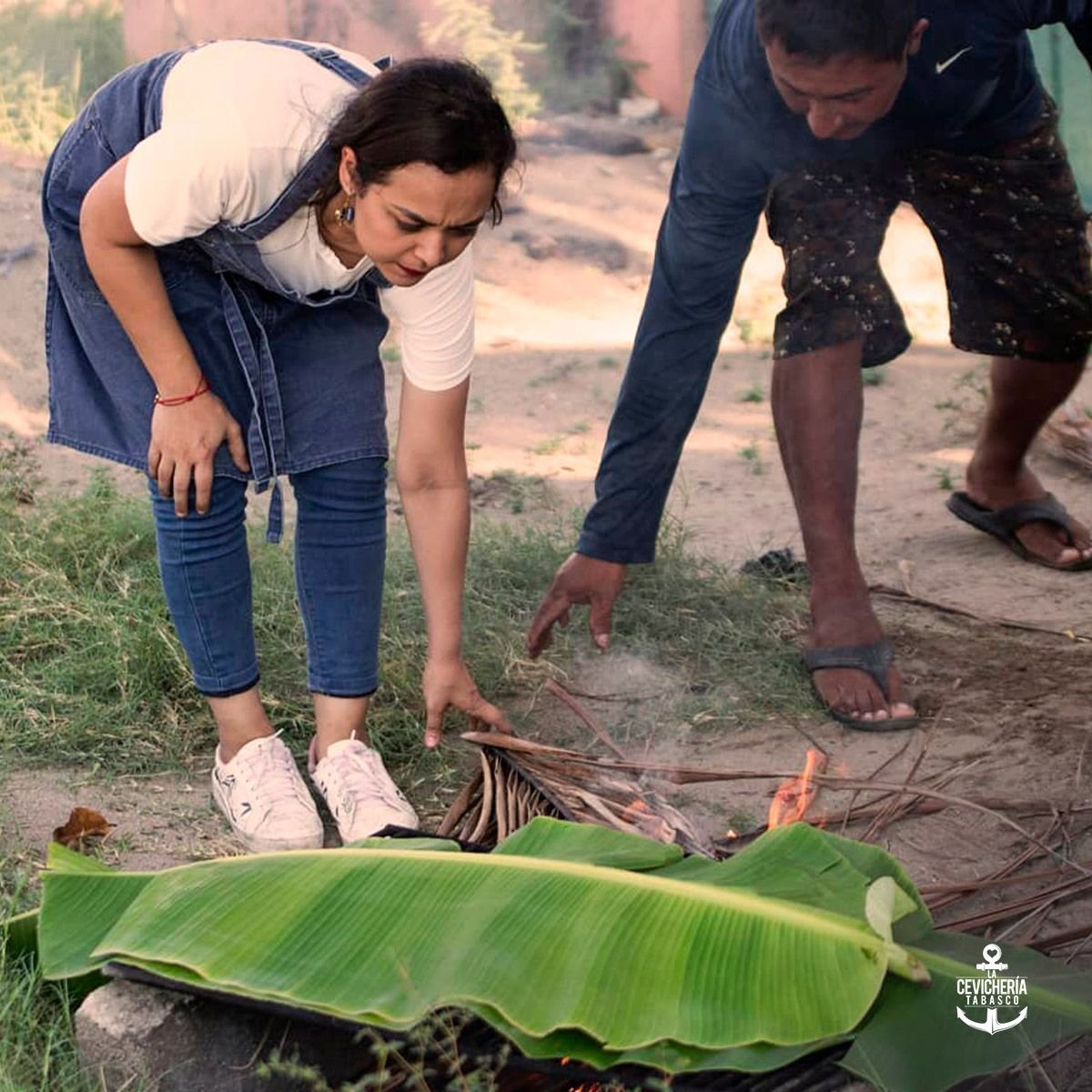
The kitchens of my land have marked me forever. The women who cook every day without recognition, yet carry the identity of an entire people. My father, who understands what it truly means to serve. The culture of water and smoke. The resilience that exists in the south.
That is what inspires me. My philosophy is rooted in dignity. In understanding that nothing we do is individual. We are part of something much bigger: our communities, our territories, our people.
Cooking is demanding. It can exhaust you, it can hurt you, it can challenge everything you are. But it should not destroy you. It should build something.
There are always moments of camaraderie that remind you of that. I remember being in Cancún, far from home, not even knowing how to move around the city. A fellow cook from Tabasco helped me, both inside and outside the kitchen. Those gestures stay with you. They remind you that even in a difficult industry, there are always people willing to guide you.
Of course, there are also people who try to close doors. But you keep moving forward for what you believe in.
What I feel most proud of is not just what I’ve done, but what it has meant for others. Helping position Tabasco’s cuisine internationally is important, yes, but even more important is seeing people from my own land feel proud of who they are. Seeing producers, fishermen, and oyster harvesters feel that their work matters. That it is valued, that it is respected.
That is everything. Because cooking does not begin in the kitchen. It begins in the land, in the water, in the hands of the people who make it possible. And for a long time, many of those places, like the south of Mexico, have not been seen the way they deserve.
I hope that changes and that we move toward a more conscious, more just way of cooking. One that respects people, respects territories, and understands that food is not just something we serve, it’s something we carry.
And for me, that’s what this has always been about. Not just cooking. But creating space for a culture, for a community, for a story that deserves to be told.
Photo credits to @elfoodografomx
Secret Sauce
- What’s the most unexpected ingredient you’ve ever worked with, and how did it change your perspective on cooking?
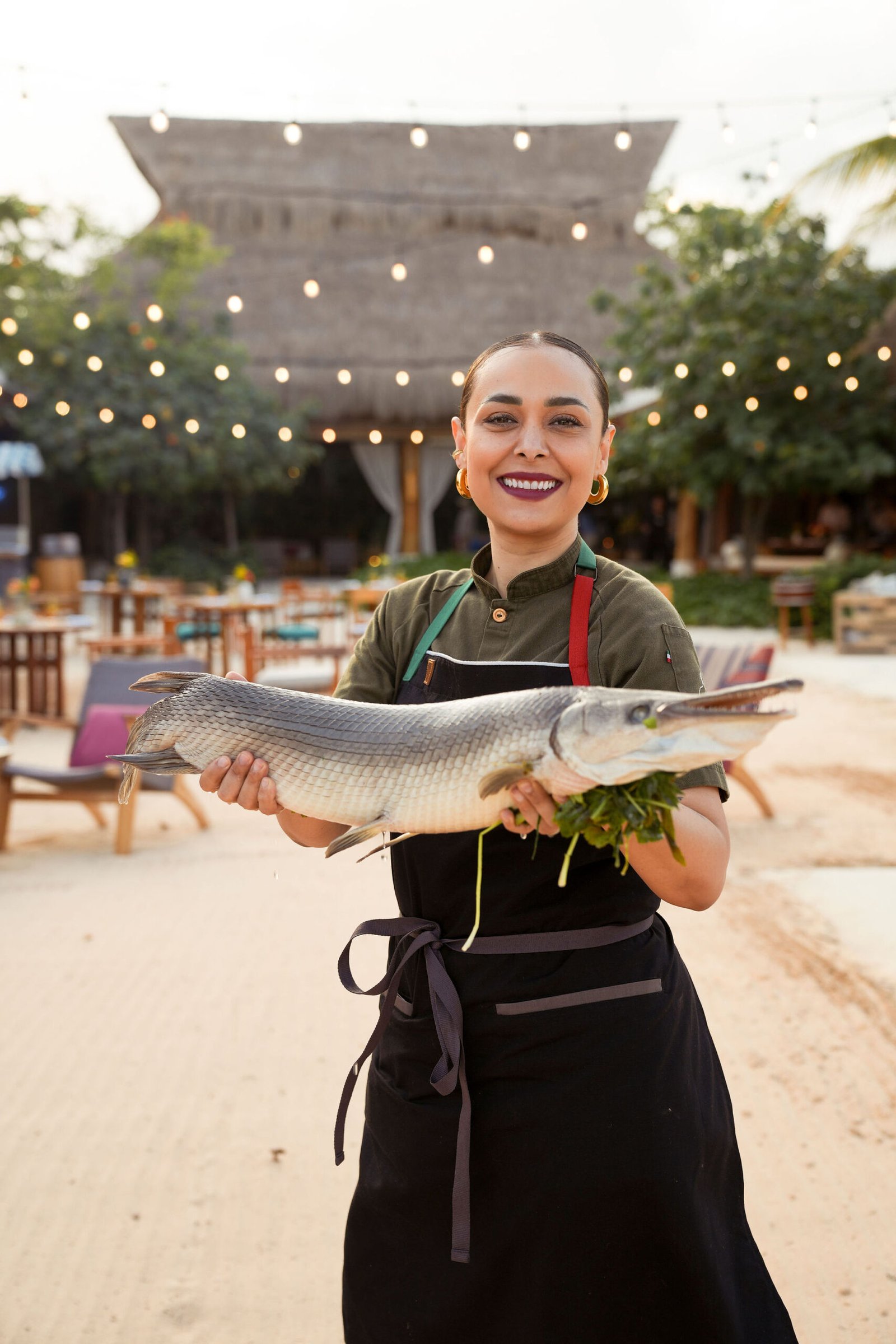
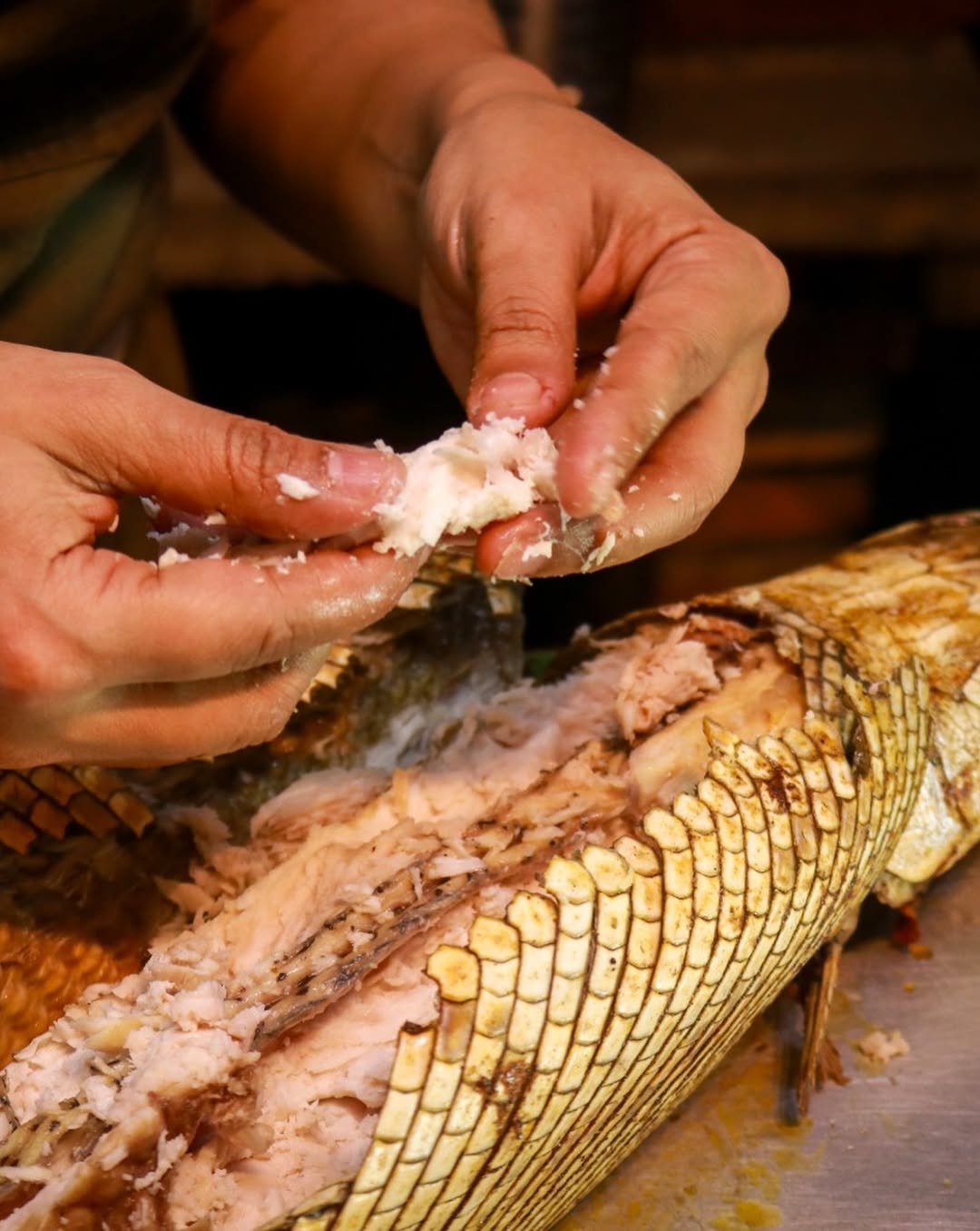
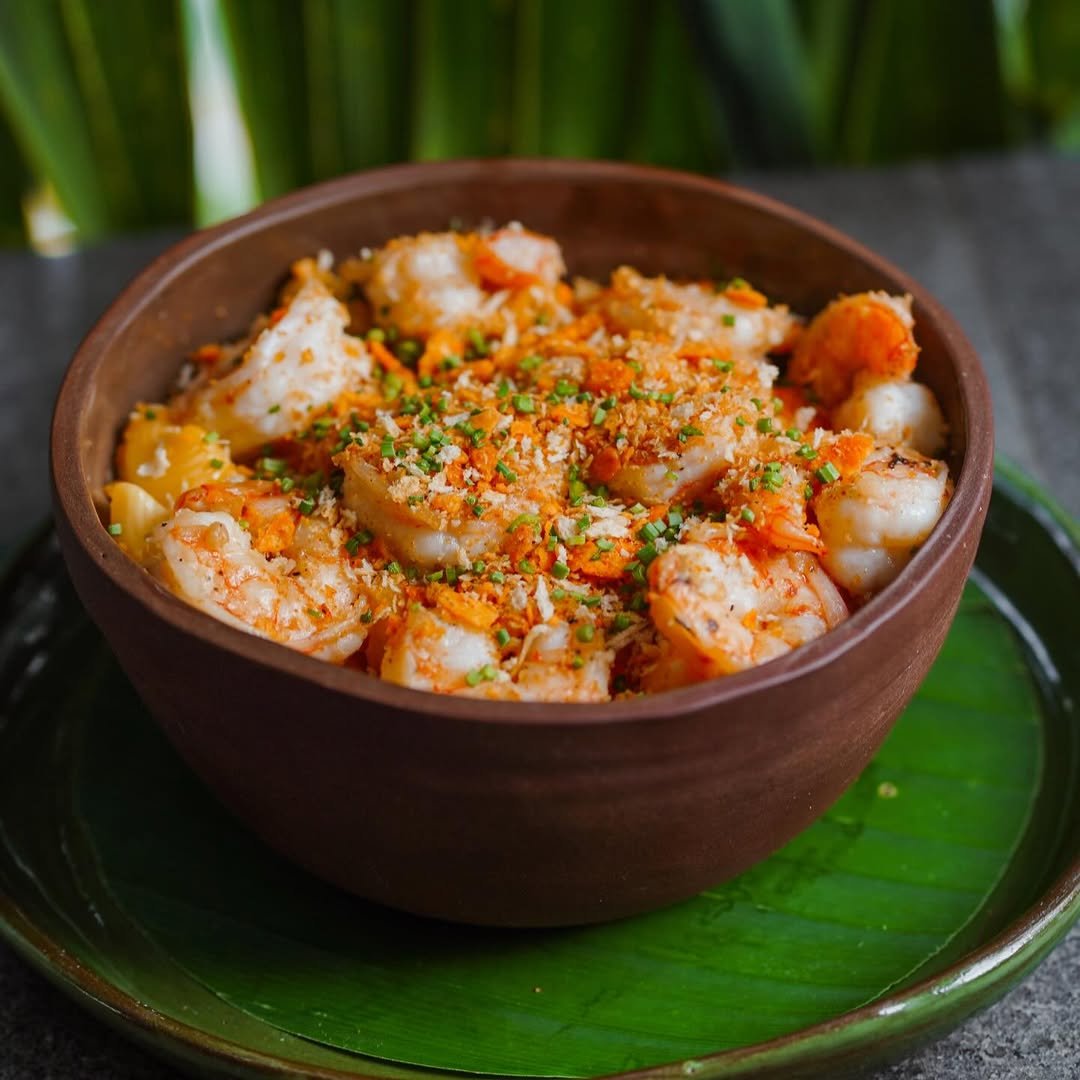
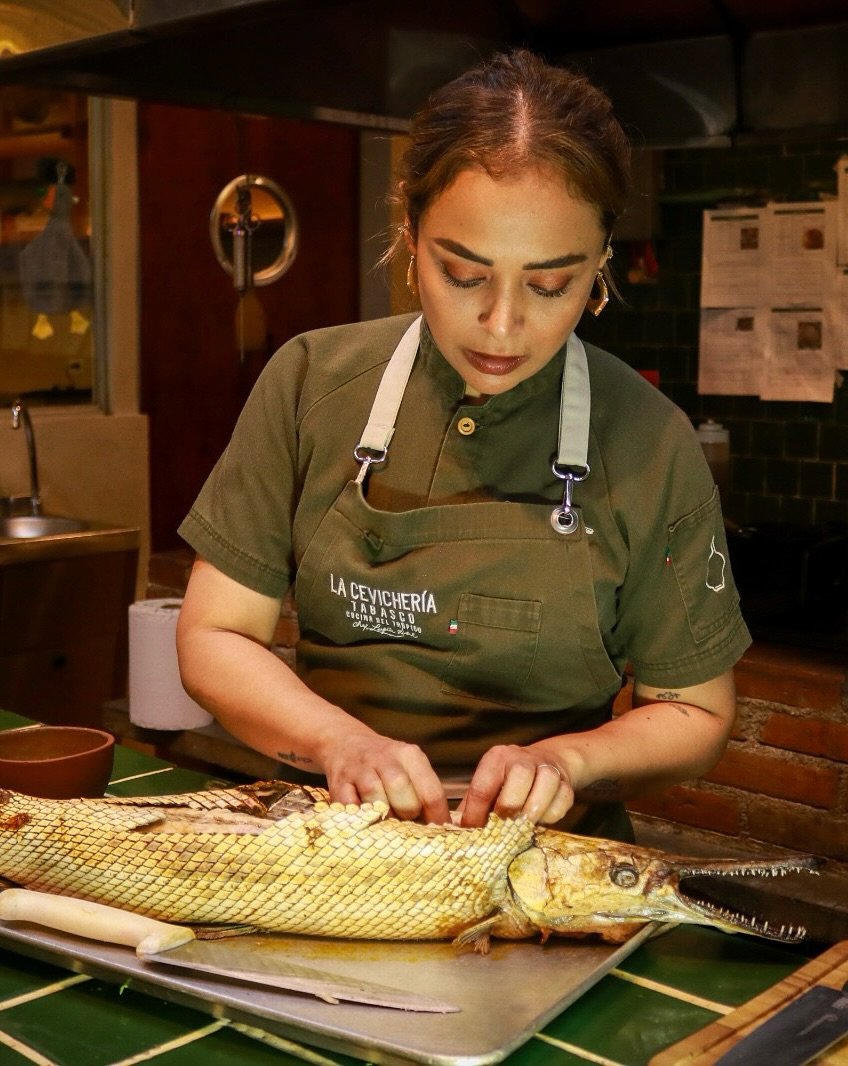
The freshwater ingredients of Tabasco. I grew up seeing many of them, but when I began cooking them professionally, I realized how complex they are. Ingredients like pejelagarto or popal shrimp taught me that freshwater cuisine has its own techniques, timing, and flavors. They made me understand that territory defines cuisine.
- What’s your “guilty pleasure” meal?
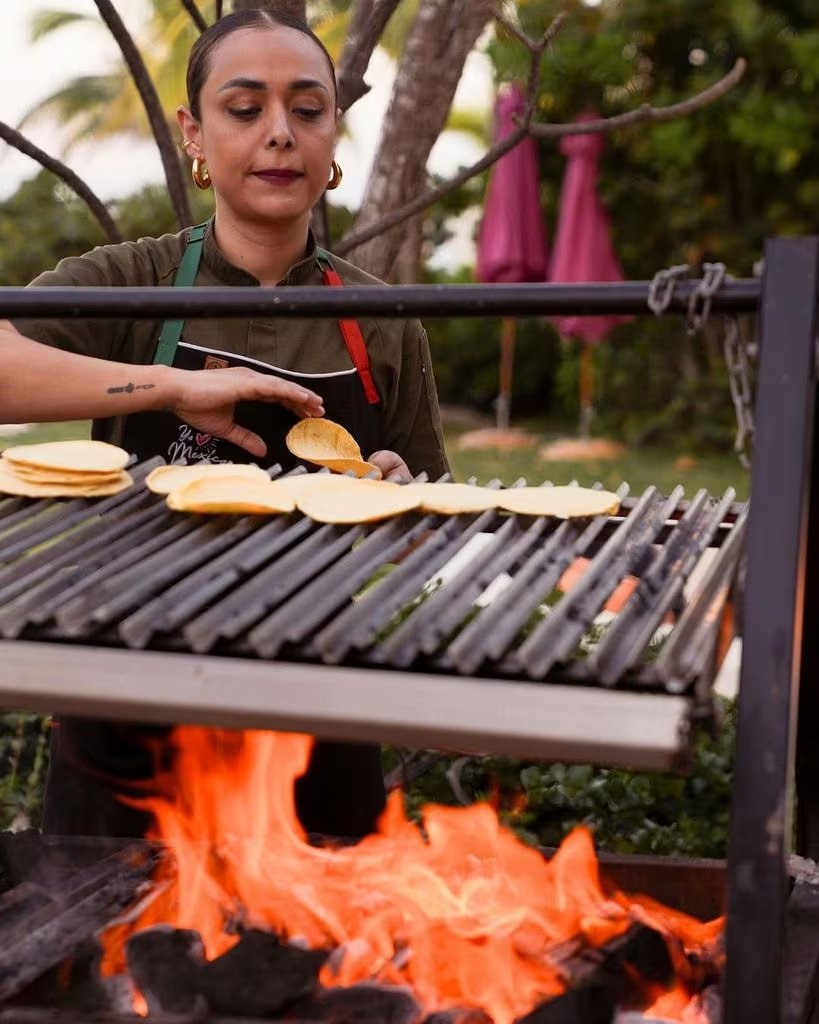
A good street taco. I grew up in my father’s taquería, so tacos will always be a place of memory and happiness for me.
- A food trend that you hate and why?
When cooking becomes a spectacle and forgets the territory and the people who produce the ingredients. Gastronomy should speak more about identity and less about trends.
- What’s the craziest shift you’ve ever worked in the kitchen?
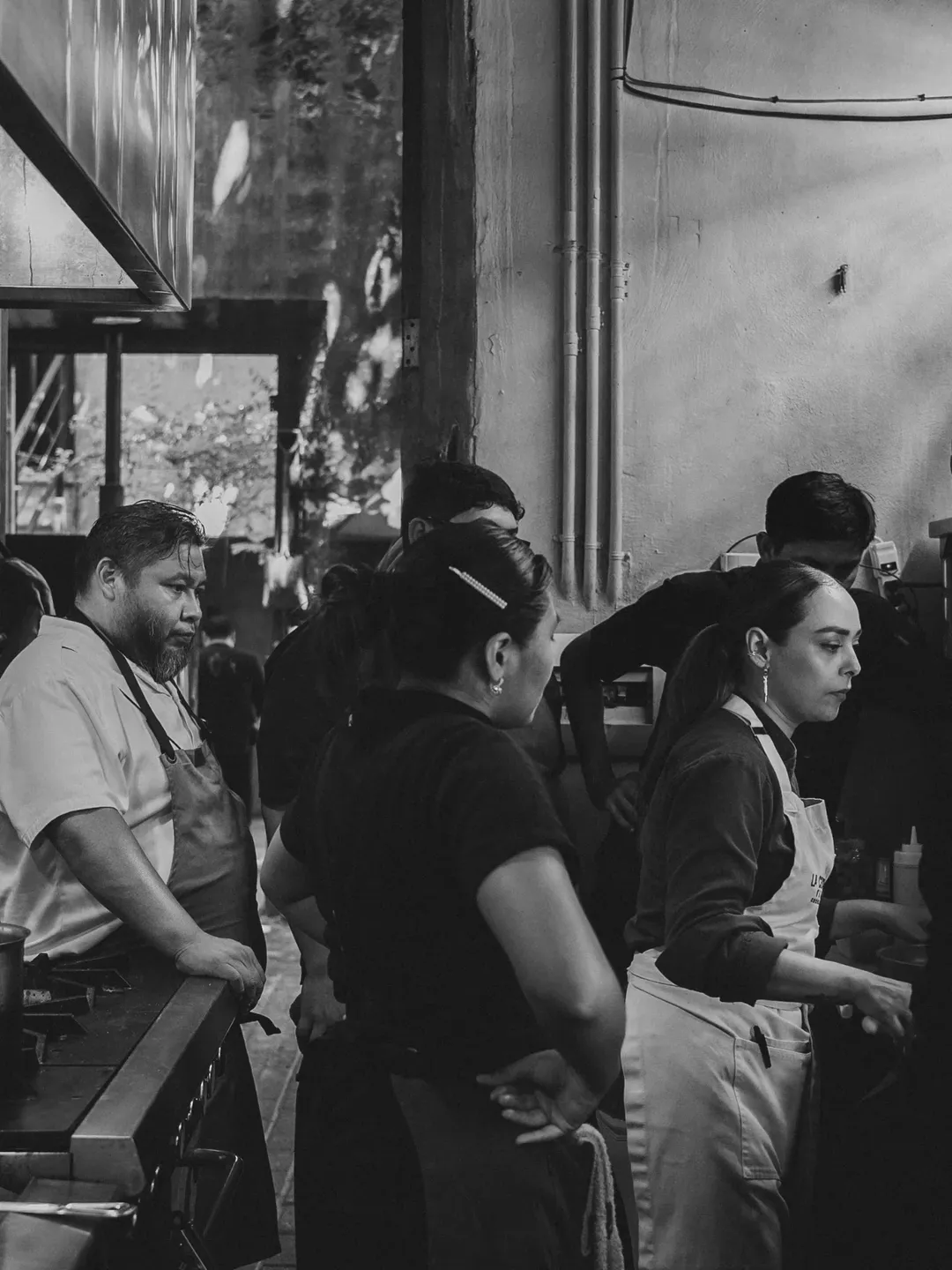
The first years of my restaurant. There were very few people doing everything and working endless shifts, trying to keep the project alive. It was chaotic, but it was also where I truly learned what it means to sustain a kitchen.
5. What happened, and how did you manage to get through it?
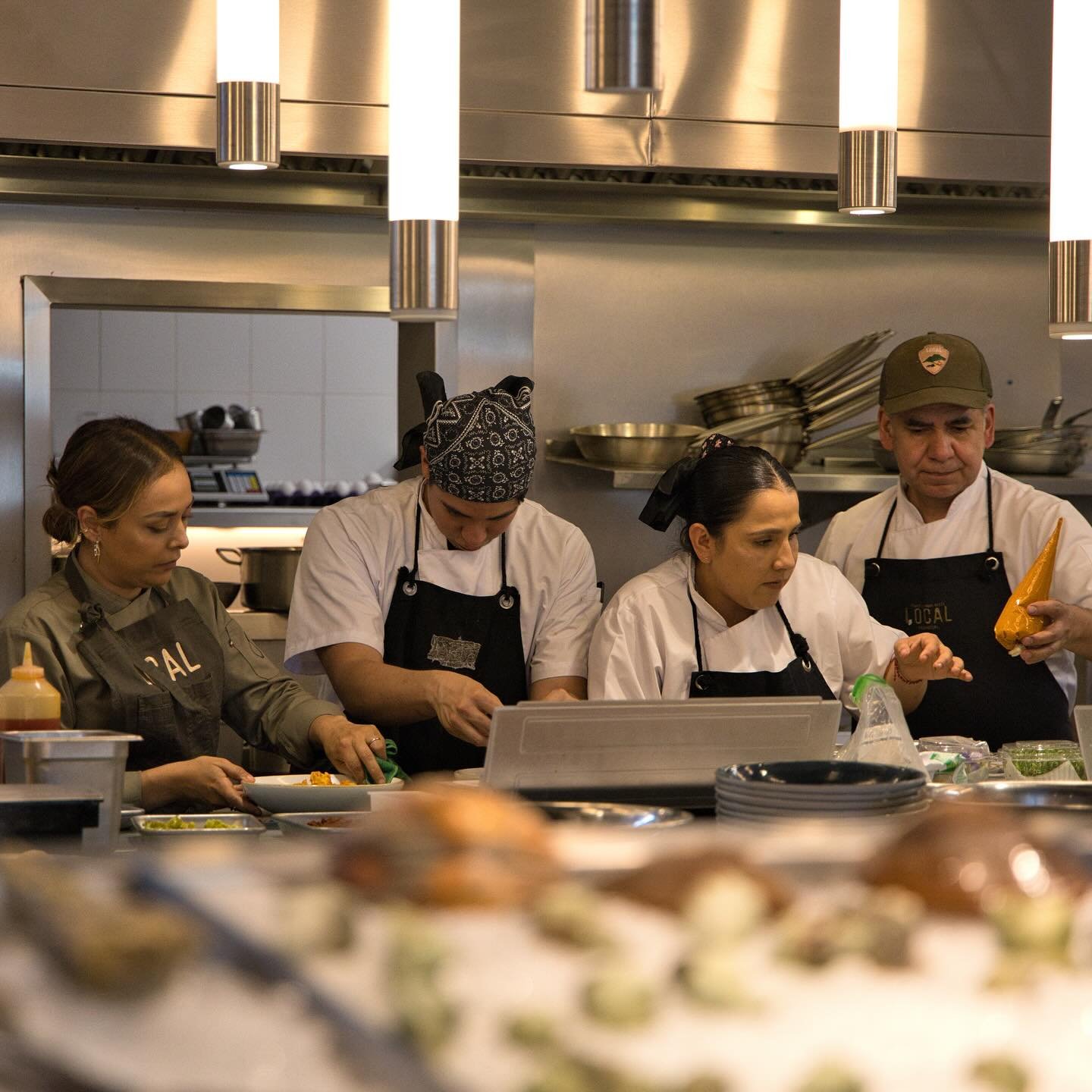
I realized that in the kitchen, no one can do it alone. I learned to trust the team, listen, and build community in the kitchen. That is the only way to survive the hardest days.
- What tips would you give to other cooks and chefs to help them navigate their culinary careers and find peace amid the chaos of the kitchen?
Remember why you started. The kitchen is demanding and often chaotic, but when there is a vocation, it becomes a path of constant learning. My advice is to seek kitchens where you can truly learn, to respect the craft, and to understand that no one grows alone. Community and teamwork are what sustain a kitchen on the hardest days.
- What’s an underrated ingredient and why?
Freshwater ingredients from the tropics, especially pejelagarto. For a long time, it was seen as a humble ingredient, but it holds a deep history in the cuisine of southeastern Mexico. When you understand its territory, its techniques, and its culture, you discover an extraordinary ingredient.
8. What’s a must-try dish from your kitchen or the one you’re proudest to have prepared?
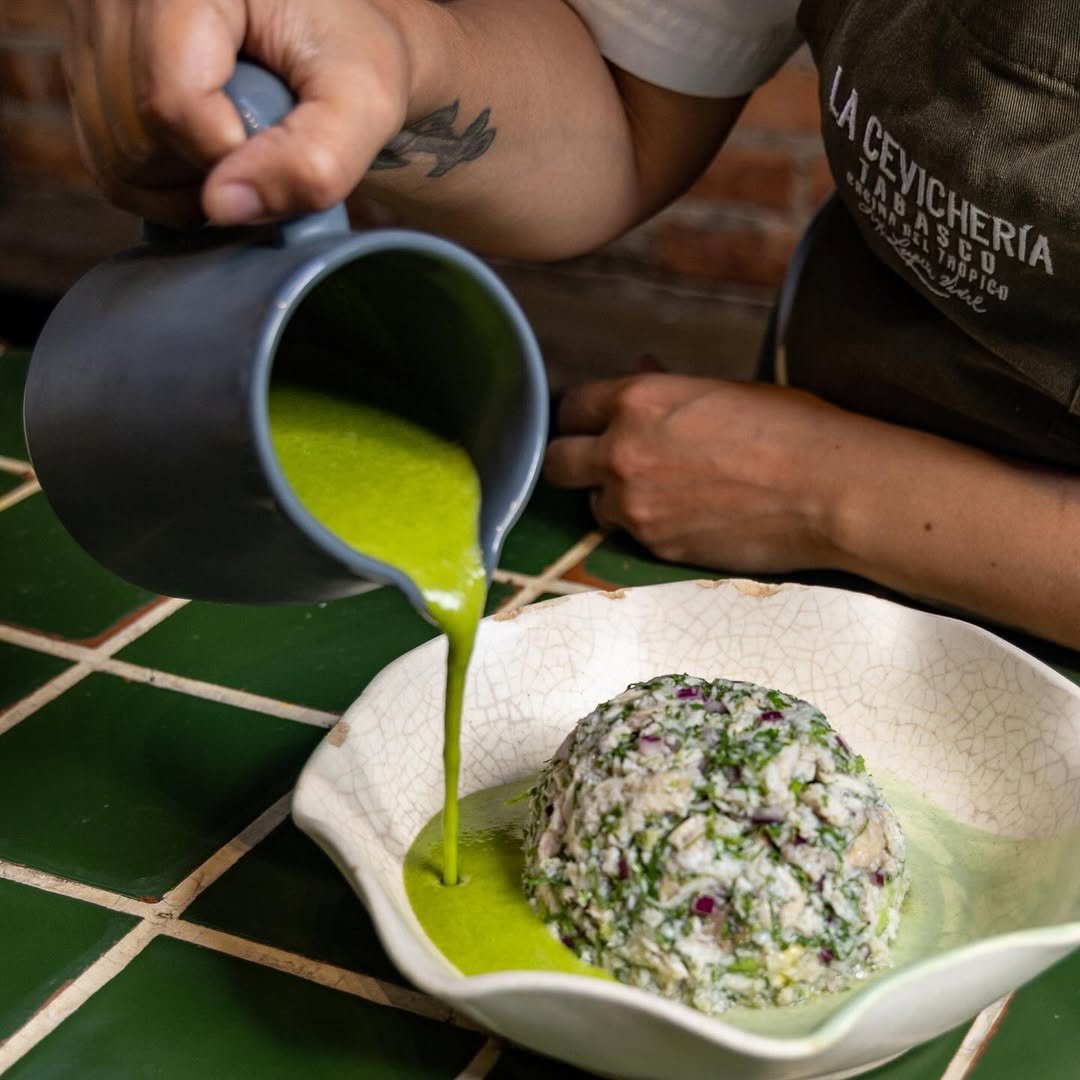
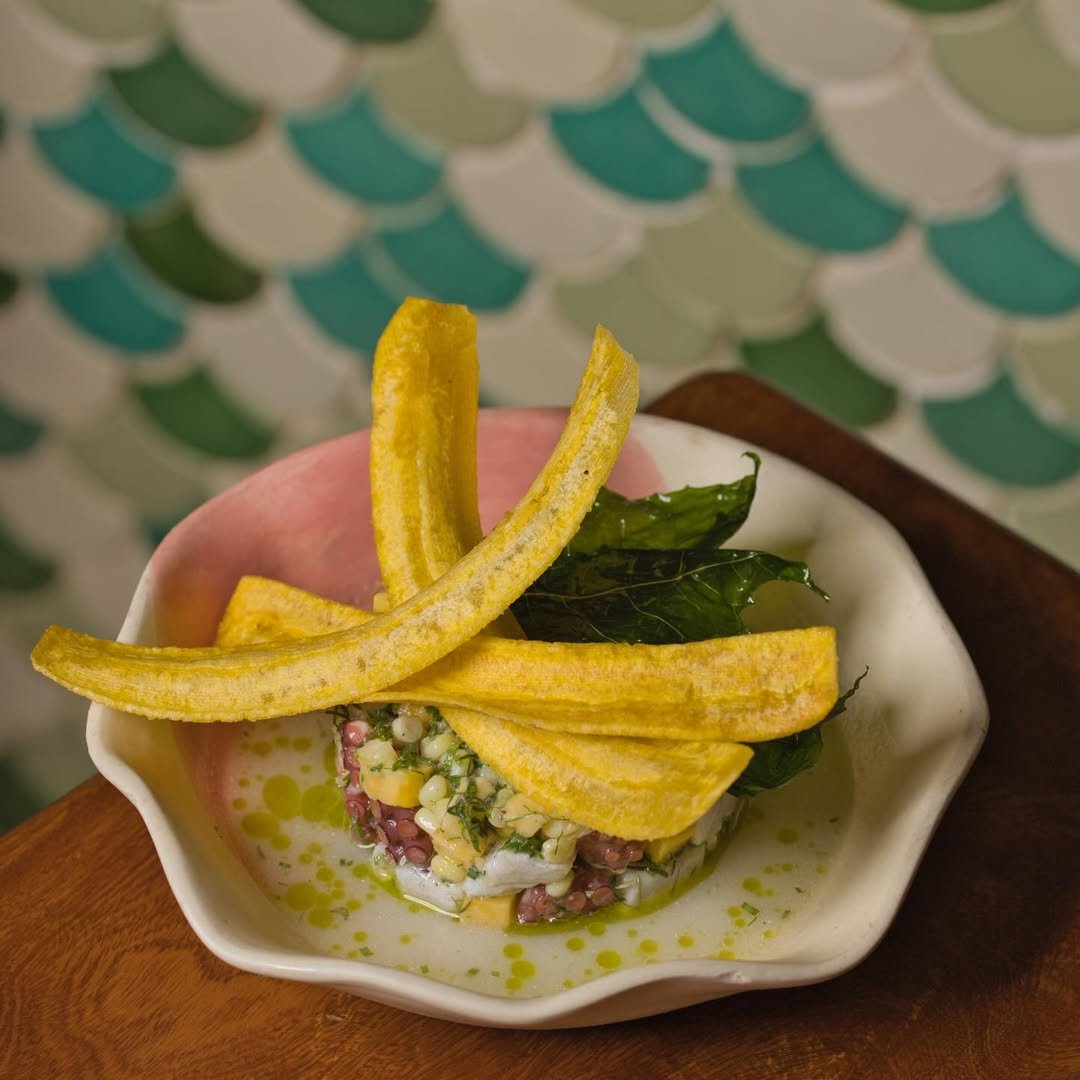
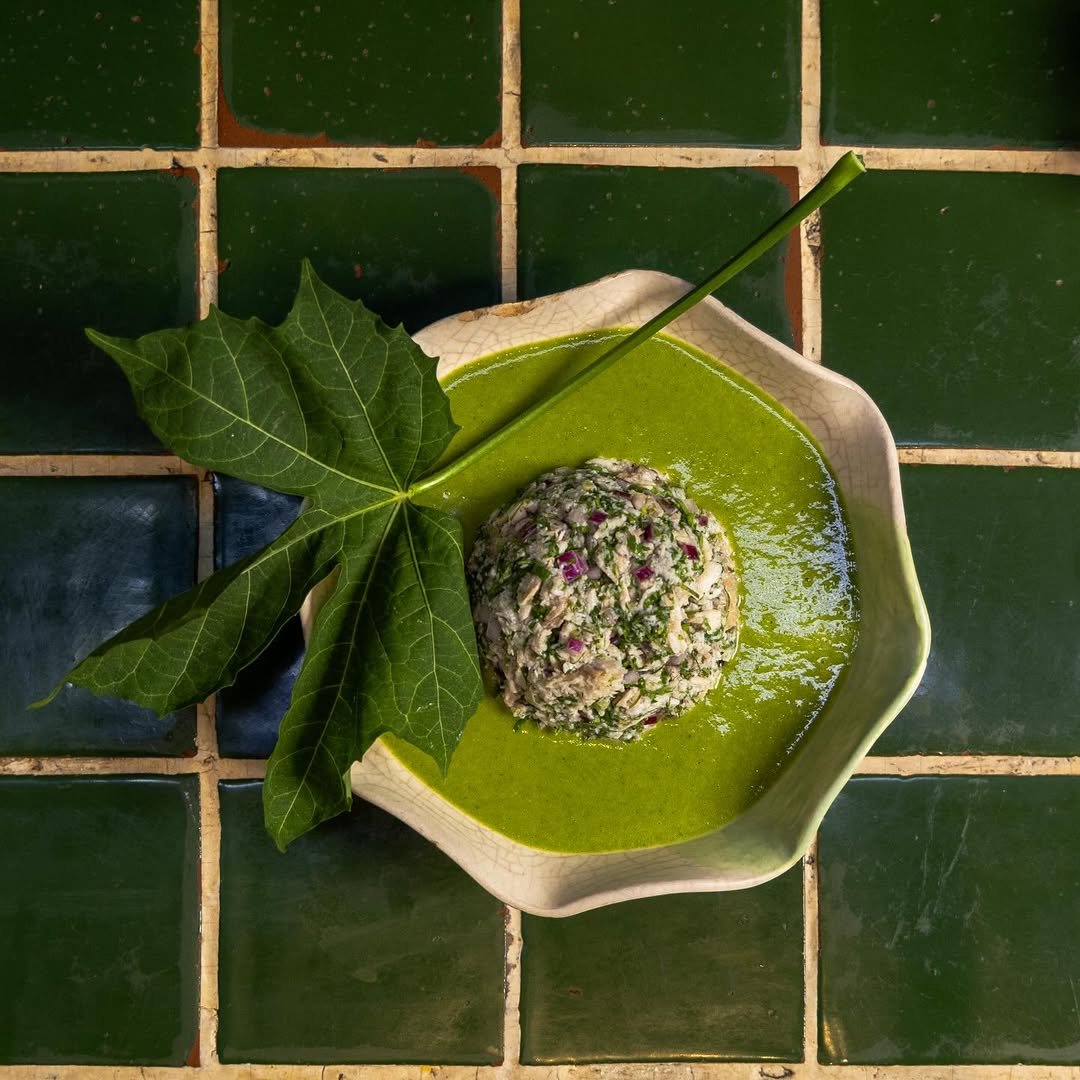
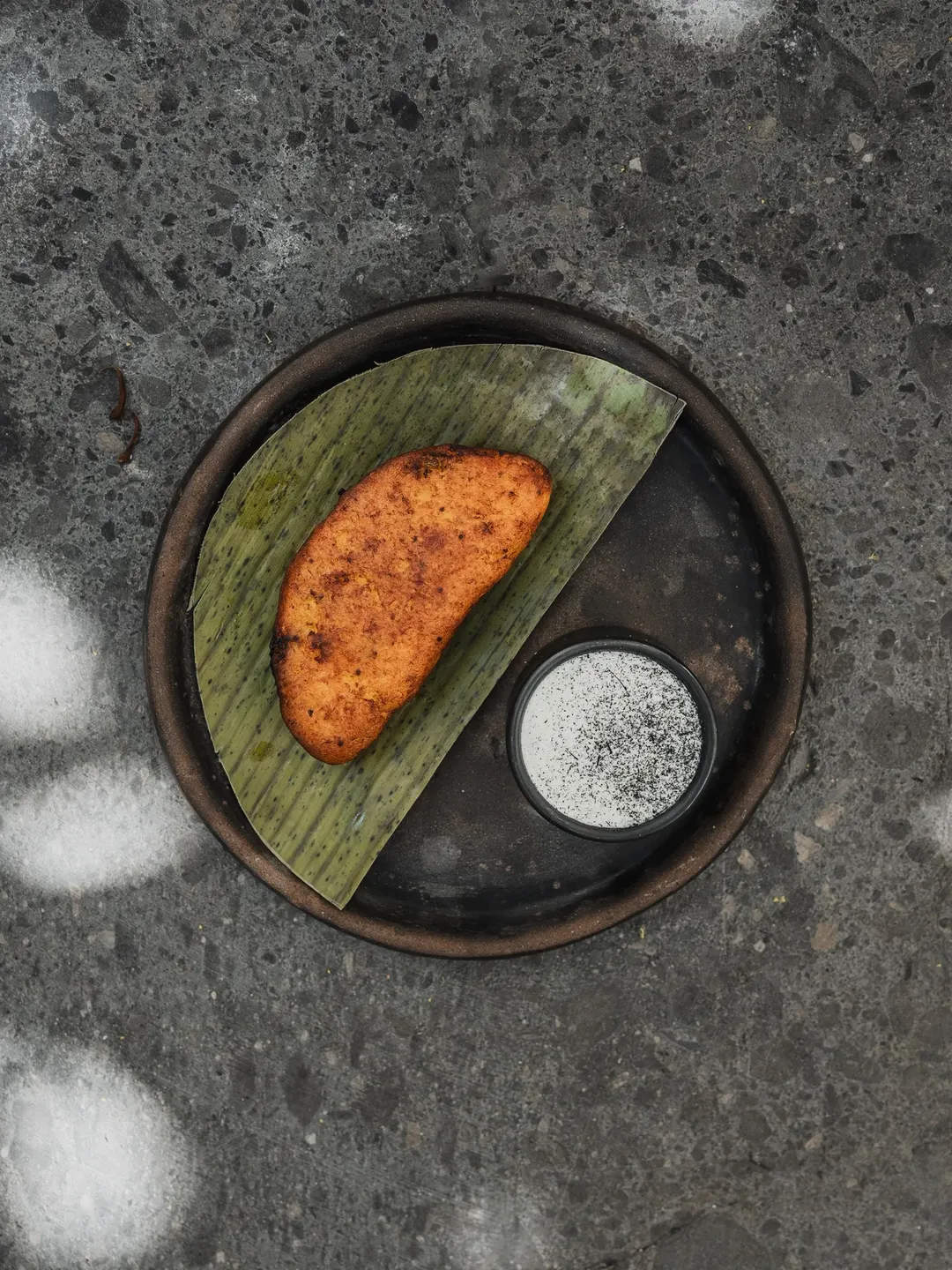
A dish with pejelagarto, one of the most representative ingredients of Tabasco. For me, it captures the cuisine of water, smoke, and the tropics. It’s a dish that speaks about territory, tradition, and the culinary identity of my state.
About Your City!
Tabasco, Mexico
- If Anthony Bourdain or a chef came to your city, what would be the perfect tour itinerary from breakfast to dinner?
If a chef like Anthony Bourdain came to Tabasco, I would first take him to La Güera for her thick, handmade tortillas. Then we would have a meal with Doña Francis to experience traditional cooking at its deepest level.
We would go to Sánchez Magallanes with Braulio to eat freshly opened oysters by the sea. Then we would try the piguas from Los Selvan and the butifarras from La Morena Jalpaneca.
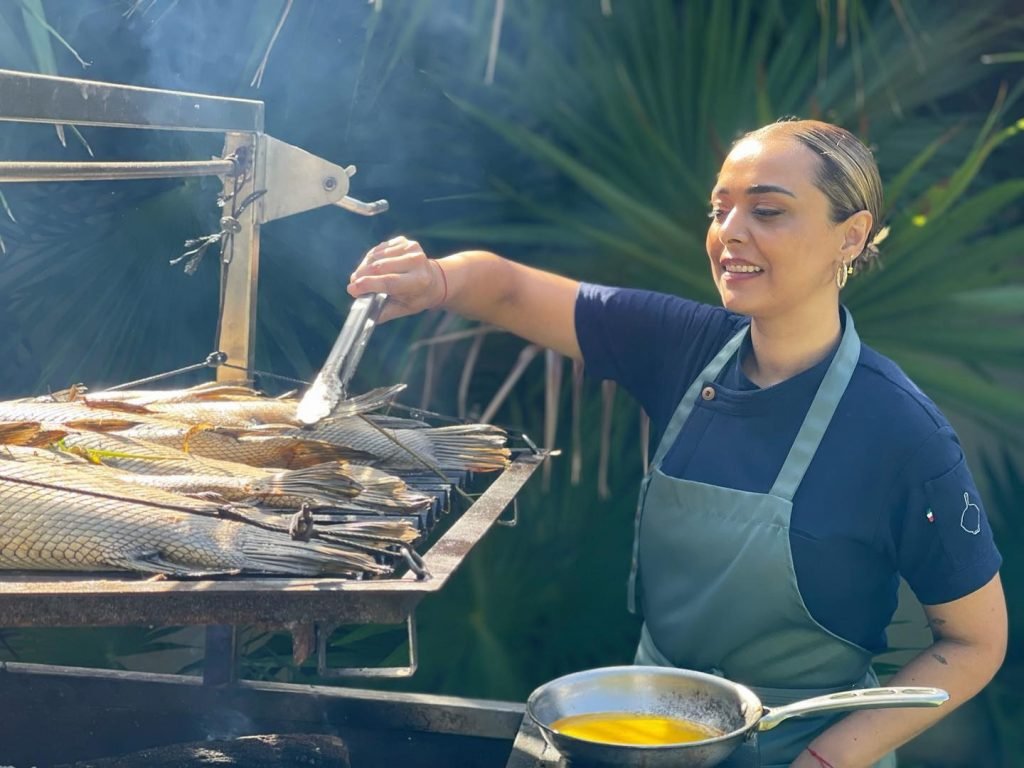
We would also visit the flooded maize fields with Joanna and El Negro Chon to understand where our cuisine is truly born. We would eat grilled pejelagarto at La Cevichería Tabasco and finish with my father’s traditional stewed tacos.
More than restaurants, I would show him the people and the territory.

Support our project by buying our merch!

86 HOTK Unisex t-shirt
$30.00
Anthony Bourdain T-Shirt
$35.00
Mise HOTK Unisex t-shirt
$30.00