
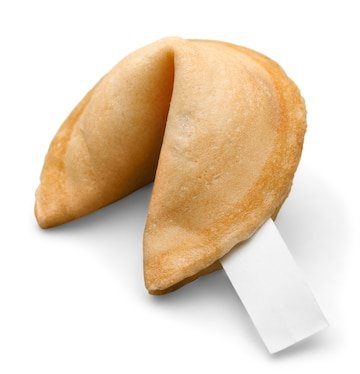
A Japanese cookie disguised as Chinese cookie
Walk into any Chinese restaurant in the United States and the ritual is the same: laminated menu, fried rice, sweet and sour chicken… and at the end, a brittle cookie with a slip of paper inside. It looks ancient, it looks “Chinese.” It isn’t.
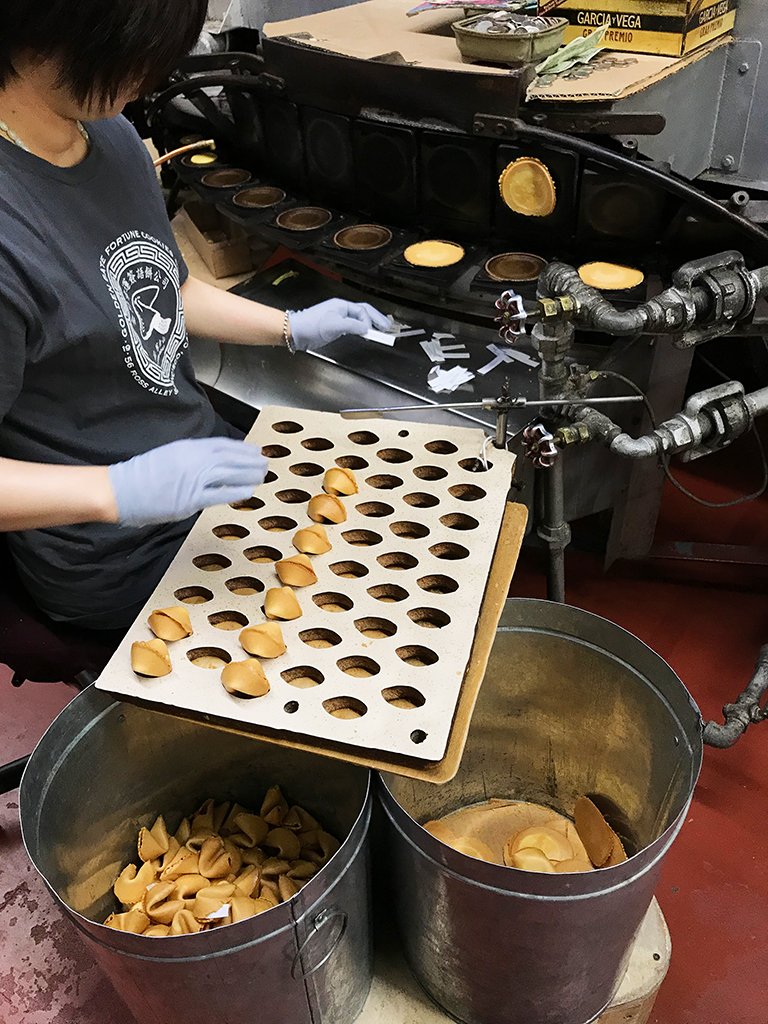
The fortune cookie doesn’t come from China. It comes from Japan. In Japan, there were tsujiura senbei larger, darker cookies made with sesame and miso, where the fortune was placed on the outside. Immigrants brought the idea to California, and by the early 20th century they were being produced in San Francisco and Los Angeles.
Then came the war. Japanese Americans were sent to internment camps, their bakeries shut down. Chinese restaurateurs saw an opportunity. They took the cookie, removed the sesame and miso, sweetened it, lightened it, and hid the paper inside. They didn’t inherit a tradition; they repackaged it. The cookie was no longer Japanese. Not Chinese either. It was American a bite sized marketing invention.
Not culture, but commerce
The fortune cookie was never tradition. It was strategy. Restaurants needed a hook to make “Chinese food” appealing to white American diners. The cookie became that hook: cheap, easy to mass produce, and built on a fake but effective ritual.
The irony
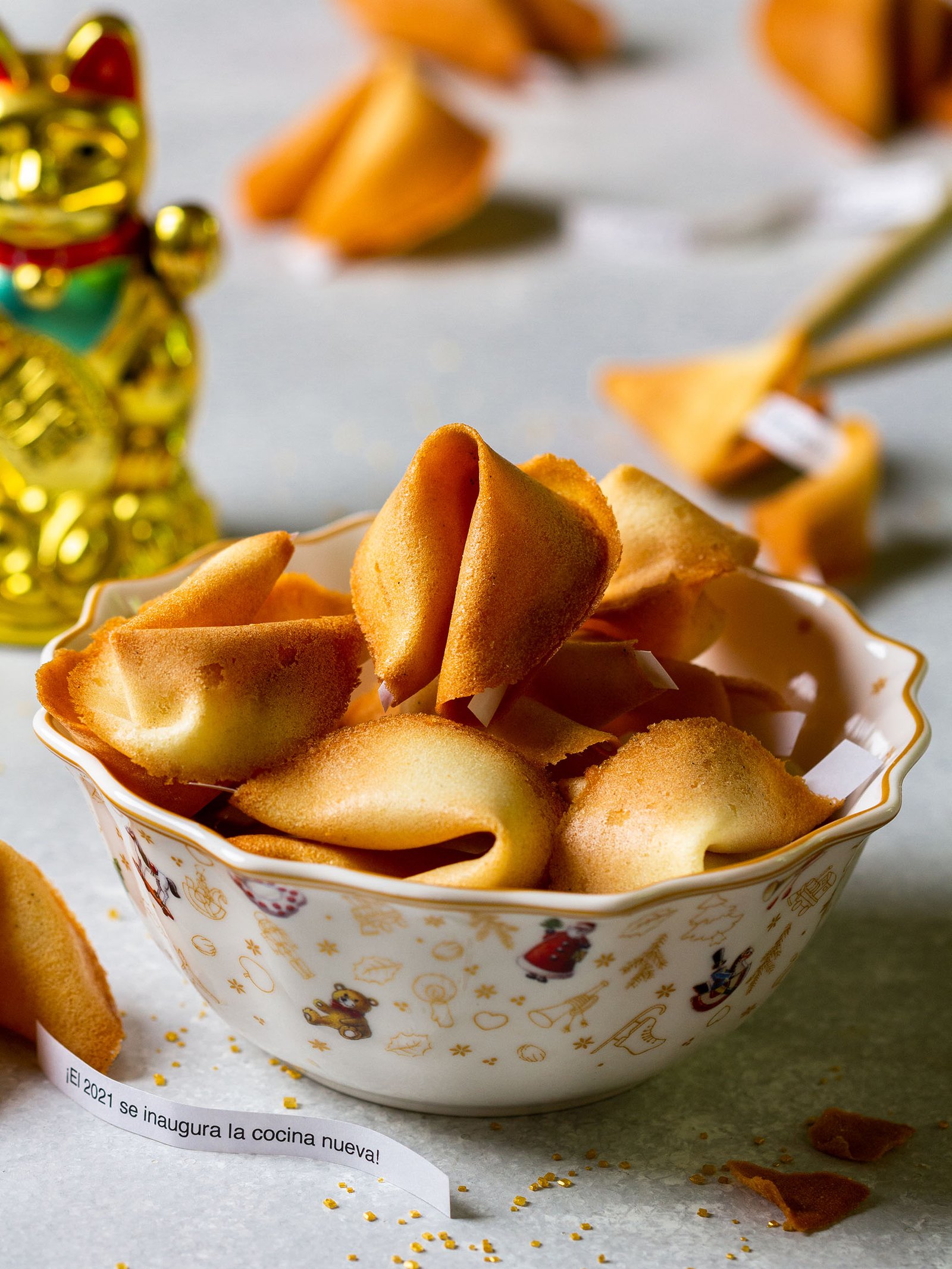
In China, the fortune cookie barely exists. The supposed “Chinese tradition” is an American invention, a culinary trick. And yet it works. Millions of cookies are cracked open every night, millions of fortunes read, lottery numbers played.
It isn’t pure culture. It’s adaptation, appropriation, reinvention. It’s the immigrant survival instinct, baked into sugar and flour.
You May Also Like
Nothing found.
The final bite
The fortune cookie isn’t a window into Chinese wisdom. It isn’t heritage; it’s branding. And like all branding, it reveals more about the consumer than the consumed.
Next time you break one open, don’t read the paper. Listen to the cookie: This is America. Sweet, hollow, and pretending to be something it’s not.
